New MULTICARE Video

A new MULTICARE video is now available on the project’s YouTube channel. This time, the focus is on earthquakes and the importance of making buildings and cities more resilient to seismic risks.
Earthquakes can seriously affect buildings, infrastructure and communities. Their impact is not only physical, but also social and economic. Safer buildings, better data and stronger preparedness can help cities reduce risks and respond more effectively when disruptive events occur.
This is one of the challenges addressed by MULTICARE. The project works on low-carbon resilient technologies and digital services that support a safer, more sustainable and future-proof built environment.
From Risk Awareness to Real Project Work
MULTICARE brings together 21 partners from 6 European countries, combining expertise in building design, digital services, construction, monitoring, social engagement and resilience planning.
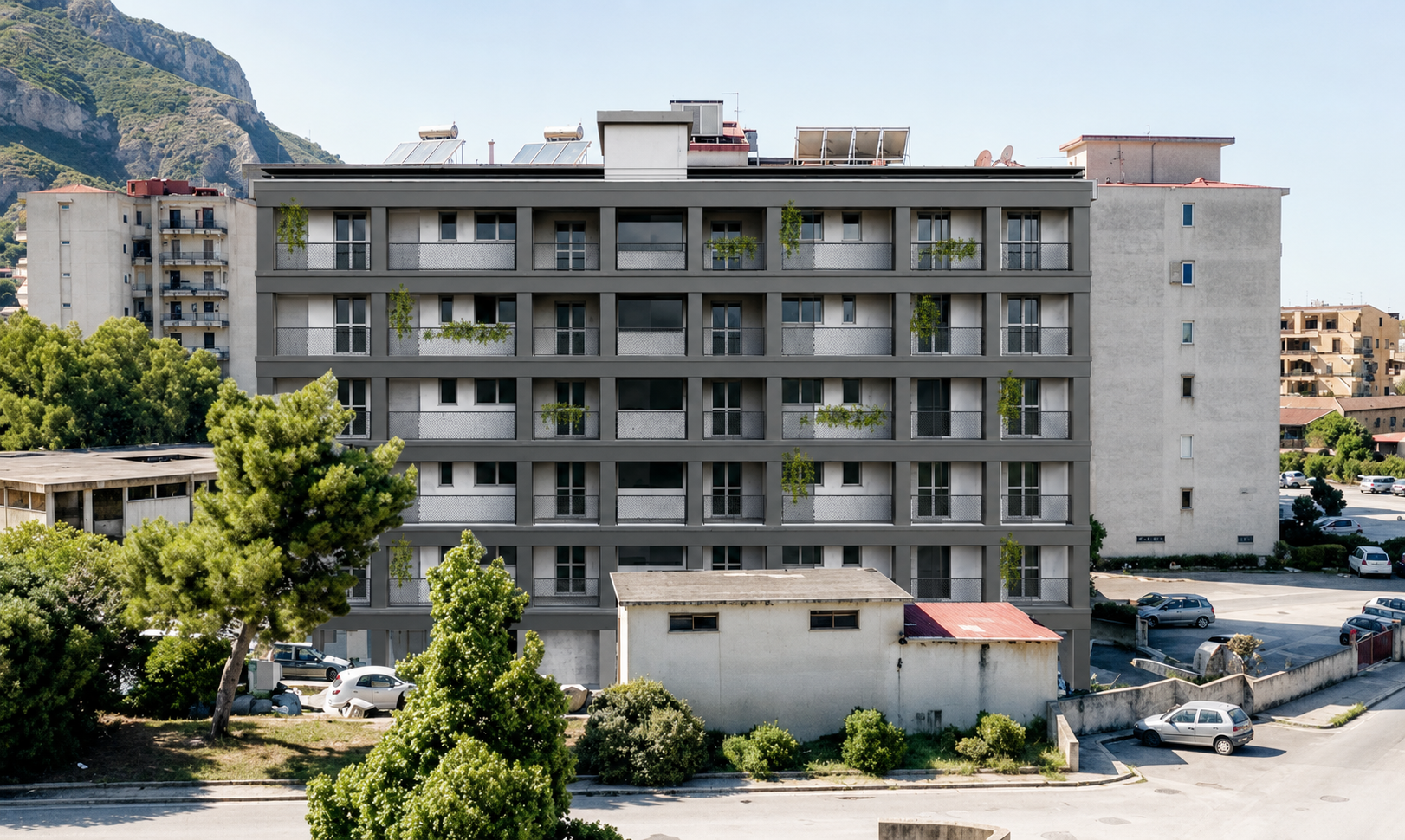
According to the project documents, MULTICARE solutions will be demonstrated in three real-life building demonstrators located in Acerra in Italy, Amsterdam in the Netherlands and Bucharest in Romania. The project also includes work at urban level in four neighbourhoods and cities, covering these locations and Tecuci in Romania.
In relation to earthquakes, the project looks at resilience from several angles. This includes seismic monitoring of buildings, early warning and rapid response procedures, rapid assessment of possible losses after an event, and low-damage building solutions designed to limit damage and support faster recovery.
MULTICARE also explores integrated facade and structural solutions, including modular systems and exoskeleton-type interventions. In simple terms, these solutions aim to strengthen buildings and help them perform better during extreme events, while also supporting energy efficiency and lower carbon impact.
Who Is Involved in This Work?
The earthquake-related activities connect several partners with complementary roles.
INCDFP, the National Institute for Earth Physics in Romania, contributes to seismic early warning and rapid response systems, using its seismic data centre and the Romanian seismic network.
IES works on digital platforms and monitoring services that support resilience assessment and decision-making.
Sapienza University of Rome contributes to resilient structural systems and seismic testing, while STRESS leads activities connected with the Acerra demonstration site in Italy.
In Romania, RoGBC is linked to the Bucharest building demonstration, while INCDFP contributes to seismic monitoring, early warning and rapid loss estimation activities. UTBV is involved in the Tecuci activities, where the project addresses multi-risk assessment, including earthquakes and flash floods.
When Will These Solutions Be Available?
MULTICARE started in October 2023 and will continue for 48 months. During this time, the project partners are developing, testing and improving solutions that can help buildings and cities become better prepared for earthquakes and other extreme events.
The project is moving step by step – from research and design, through testing, to demonstrations in selected pilot locations.
For people and communities waiting for safer, more resilient buildings, this means that MULTICARE is not only studying the problem. The project is working towards practical tools, building solutions and knowledge that can support better decisions in the future and help reduce the impact of earthquakes on homes, public buildings and urban areas.
Watch the Video
The video is now available on the MULTICARE YouTube channel.
Stay Updated with MULTICARE
Follow MULTICARE to discover more videos, project updates and insights on climate-resilient and low-carbon solutions for the built environment.
Visit the project website to explore the latest MULTICARE news and activities.
Explore MULTICARE News