Future of Resilient Buildings: MULTICARE Podcast with Professor Stefano Pampanin

How can we create buildings that not only survive earthquakes and extreme weather events, but remain safe and usable afterwards? How can cities prepare for increasingly complex risks while building more sustainable and future-proof environments?
These questions are explored in the newest MULTICARE podcast episode featuring Professor Stefano Pampanin, internationally recognised expert in earthquake engineering and structural resilience.
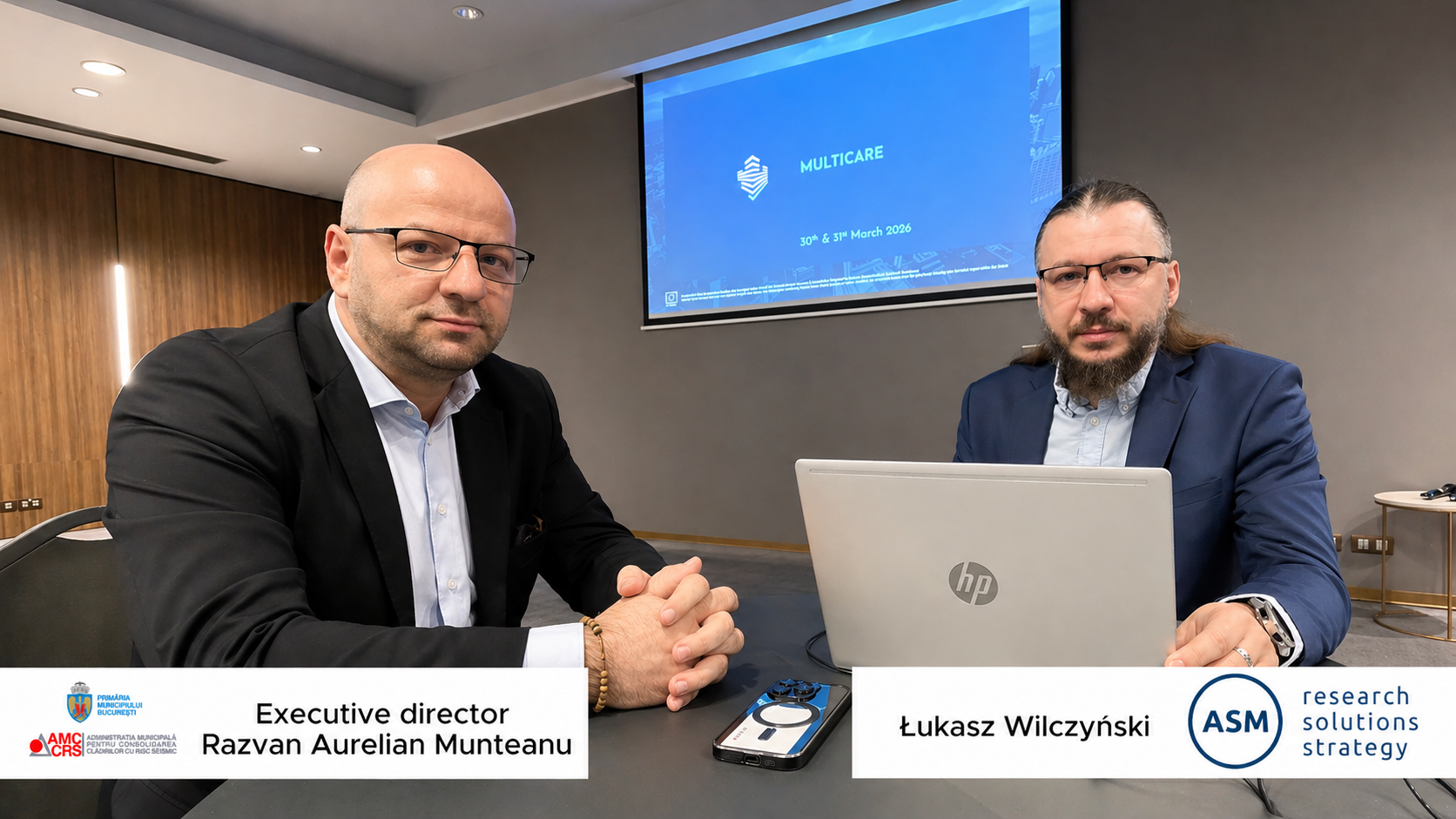
The conversation, hosted by Łukasz Wilczyński from ASM Research Solutions Strategy, explores how engineering innovation, resilience thinking and smarter building design can help Europe prepare for future challenges.
Why Resilient Buildings Matter
Climate-related extreme events are becoming more frequent and increasingly intense. Cities across Europe face growing challenges connected to earthquakes, flooding, overheating and other hazards affecting buildings, infrastructure and communities.
MULTICARE addresses these challenges by developing innovative low-carbon resilient technologies together with digital services and decision-support tools that improve resilience across buildings and urban environments.
The project combines engineering innovation, sustainability and user-centred approaches to support safer and future-proof cities.
Unlike traditional approaches focused on individual risks, MULTICARE takes a multi-hazard perspective, recognising that future cities must prepare for multiple threats simultaneously.
Meet Professor Stefano Pampanin
Professor Stefano Pampanin has dedicated his academic career to improving how buildings perform during earthquakes and how communities recover after disasters.
His work is particularly known for advancing low-damage structural systems, approaches designed not only to protect lives during disasters, but also to reduce structural damage and improve building functionality afterwards.
These principles strongly support MULTICARE’s goal of strengthening resilience across Europe’s built environment.
What Does Resilience Mean?
Resilience means creating buildings and cities that can better withstand shocks, adapt to changing conditions and recover more effectively after disruptive events.
Today, resilience goes beyond preventing collapse. It also means reducing disruption, limiting repair needs and helping communities return to normal functioning more efficiently.
This is becoming increasingly important as Europe faces climate pressures alongside ageing building stock.
Improving Existing Buildings
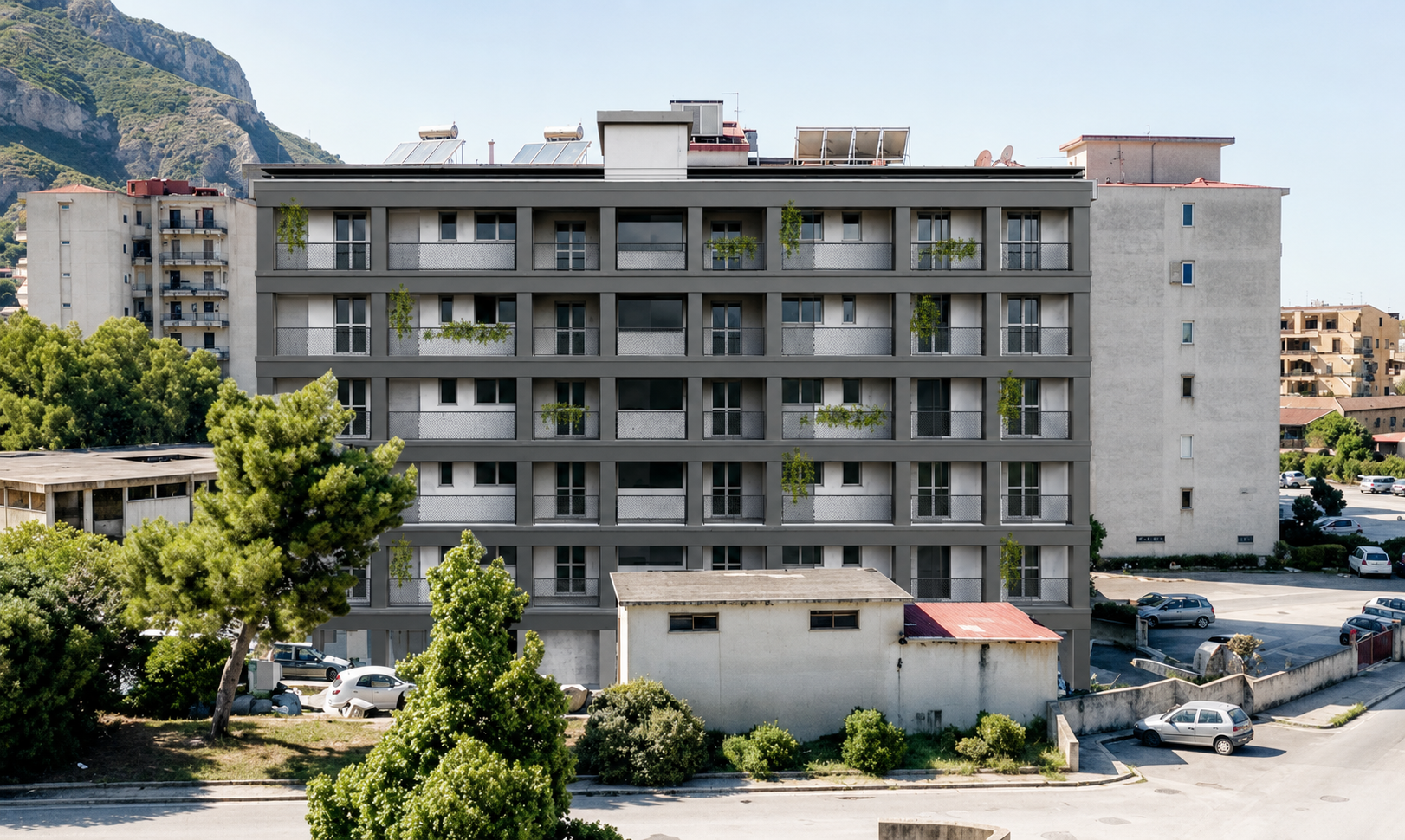
Many European buildings were designed according to older standards.
Improving resilience in existing infrastructure often requires balancing safety, sustainability, affordability and practical implementation challenges.
Within MULTICARE, researchers are developing technologies and digital tools supporting resilience assessment, risk evaluation and evidence-based decision making across different scales, from materials and building components to entire districts and urban areas.
The goal is not simply stronger buildings.
The goal is smarter, more resilient communities.
Watch the Full MULTICARE Podcast
Professor Stefano Pampanin shares insights into earthquake engineering, low-damage structural systems and the future of resilient buildings in Europe.
If you are interested in sustainable cities, climate resilience and future building design, this episode offers valuable perspectives on one of Europe’s major challenges.
Stay Updated with MULTICARE
Follow MULTICARE for more project updates, research insights and innovations shaping resilient and sustainable cities.