Advancing Resilience and Sustainability in the Built Environment
On 19th November, the MULTICARE EU project participated in the 2nd Built4People Clustering Event in Brussels, engaging with fellow innovators, researchers, and industry leaders to drive forward solutions for a resilient, inclusive, and sustainable built environment.
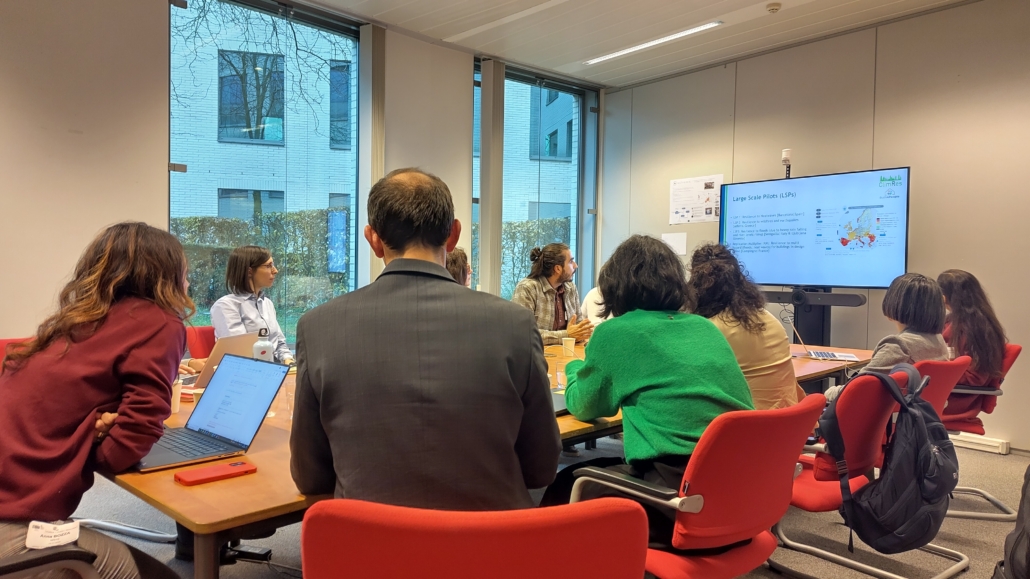
Track 2: An Integrated Approach to Building Resilience and Well-being
MULTICARE contributed to Track 2, which focused on developing holistic, multi-criteria solutions that ensure energy efficiency improvements do not compromise other essential aspects of building performance, such as resilience, well-being, and environmental impact. Participants emphasised that an integrated and holistic approach is essential to balance these factors effectively. Discussions highlighted the increasing role of digital tools in streamlining decision-making processes, allowing stakeholders to assess the best integrated options by considering costs and impacts across the entire life cycle of buildings.
A key theme of the session was the importance of citizen engagement in the design and implementation of resilience measures. However, incorporating digital tools for public participation presents technical challenges, as varying levels of expertise and IT literacy can limit accessibility. Participants also explored the appropriate scale for resilience interventions, debating whether solutions should be implemented at the building, neighbourhood, city, or territorial levels, depending on the specific climate risks they aim to address.
Common Challenges and Lessons Learned
Several shared challenges emerged from the discussion. One of the key concerns is the sustained engagement of communities and building occupants, ensuring their needs and perspectives are incorporated into project outcomes. There is also a need to align innovative project solutions with what is feasible within demonstrators, considering the practical expectations of building owners and occupants. Another major challenge is the collection, integration, and interoperability of data, which is fundamental for the effectiveness of digital tools but remains a complex issue.
Ensuring the scalability and replicability of solutions beyond the project’s duration is also crucial. A well-defined business case is necessary for market uptake, allowing for deployment in new locations, such as through replication strategies with fellow cities. Social acceptance plays a pivotal role in this process, as sustainability alone can often be seen as an abstract concept. Communicating tangible benefits, such as protection from extreme climate events, can enhance public understanding and foster greater acceptance of resilience strategies.
The session underscored the importance of knowledge-sharing to overcome these challenges effectively. Projects that have recently started can learn valuable lessons from more mature initiatives, particularly regarding co-creation approaches and stakeholder engagement.
Strengthening Synergies for Greater Impact
Building on the momentum of these discussions, several proposals were made to enhance collaboration and maximise project impact. Establishing a knowledge-sharing platform would allow projects to exchange insights, results, and best practices more efficiently. Creating thematic working groups would facilitate deeper discussions on common challenges and help identify future research priorities. Additionally, joint webinars and coaching sessions could provide tailored guidance for demonstration cities, helping them learn from experts on specific topics relevant to resilience and sustainability.
Several sister projects, including MULTICARE, MULTICLIMACT, GINNGER, REGEN, WeGenerate, CLIMRES, Minority Report, RETIME, AccesS, and inclusiveSpaces, have already begun engaging in clustering activities. Initiatives such as joint workshops and shared publications are laying the groundwork for long-term cooperation, ensuring that the collective expertise of these projects contributes to the future of sustainable urban development.
By leveraging digital innovation, collaborative networks, and shared expertise, MULTICARE continues to play a key role in advancing climate adaptation, resilience, and sustainable construction across Europe.
Stay tuned for more updates as we work towards a more inclusive and resilient built environment!
Most read