Building the Future: Plug & Play Low-Carbon Resilient Structural Systems
WP12 at Sapienza University of Rome leads modular, low-damage, low-carbon structural systems research within the MULTICARE project.

As the world moves toward more sustainable and disaster-resilient infrastructure, the WS5 “Plug & Play Low-Carbon Resilient Structural Systems” initiative, part of the MULTICARE European project, is setting a new standard. Coordinated under Work Package 12 (WP12), the team at Sapienza University of Rome is leading the way in developing modular, low-damage and low-carbon systems that are both robust and adaptable to future needs.
The Vision Behind WP12
WP12 is grounded in the urgent need to improve the resilience of buildings against natural hazards—particularly seismic events—while also meeting low-carbon and sustainability targets. The core idea: create modular structural systems that are easy to assemble, disassemble, and upgrade—offering both technical and environmental benefits.
The initiative revolves around:
- – Multi-hazard design of timber-based low-damage structural systems,
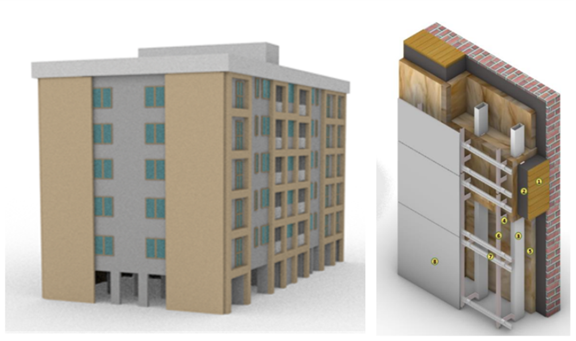
- – Development of seismic retrofitting techniques using an external exoskeleton approach,
- – Prototype testing and numerical validation,
- – Creating guidelines for implementation and maintenance.
A Systematic, Research-Driven Approach
1. Displacement-Based Retrofit Procedure
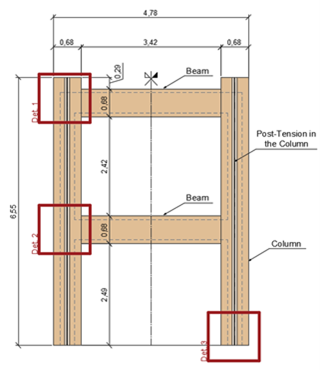
To strengthen existing structures, the team developed a Displacement-Based Retrofit Procedure that aims to control and minimize the expected damage and maximizes resilience. A particular focus was on providing a practitioner-oriented analytical procedure, extensively validated by the Sapienza team, for supporting the design of low-damage timber-based exoskeletons based on the Pres-Lam technology.
2. Connecting the Exoskeleton
Working in collaboration with Rothoblaas, the team explored multiple connection solutions between the exoskeleton and the as-built structure. These include:
- – T-shaped plates
- – Bow-tie connectors
- – Advanced dowelled connections
These connections are key to ensuring the external reinforcement system can function efficiently during seismic events, while allowing for modular disassembly.
3. Laboratory Testing & Prototyping
The project enters a highly practical phase with Quasi-Static cyclic tests, Pseudo-Dynamic tests, and structural modelling. Prototypes will be tested both at the laboratories of Sapienza University of Rome and of the University of Naples Federico II, to assess:
- – Seismic performance of the exoskeleton system,
- – Integration with low-damage facade systems,
- – Feasibility of ease of assembly and disassembly for future upgrades.
4. The Acerra Demonstrator
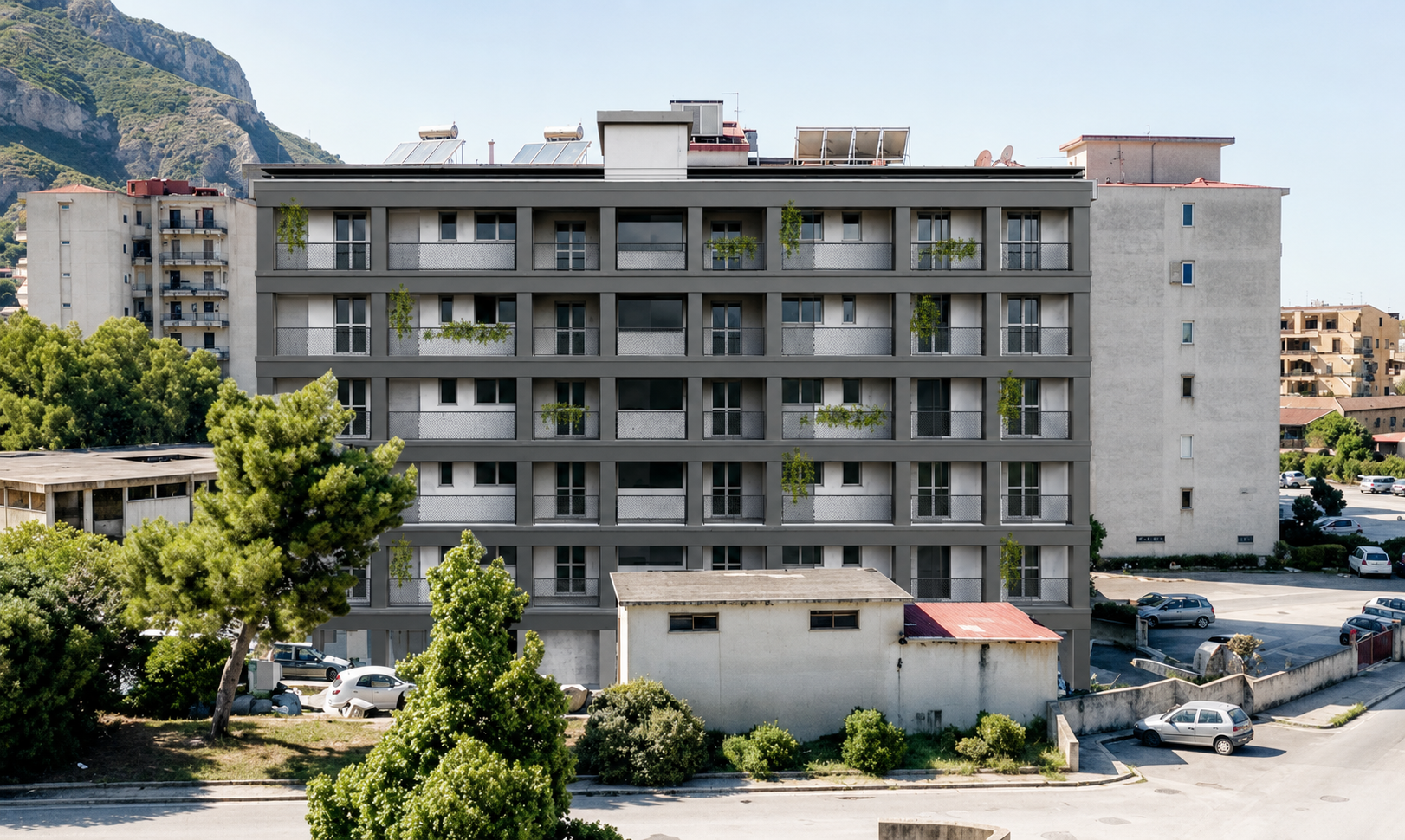
To translate theory into practice, the team focused on the implementation of the exoskeleton on a real building located in Acerra (Italy), owned by the project partner ACER (Agenzia Campana per l’Edilizia Residenziale). After a first phase, related to the assessment of the demo building in the as-built configuration, the innovative exoskeleton solution will be properly designed to ensure a holistic renovation of the demo building itself. The design phase will provide insight into the performance of an existing building and how it could be enhanced through WP12’s modular exoskeleton system.
Looking Ahead: Toward a Modular, Sustainable Future
The early results are promising: the plug & play structural systems under WP12 demonstrate excellent potential for urban retrofitting, post-disaster reconstruction, and energy-efficient upgrades. The development of double-skin facades and reversible connection systems further enhances the system’s circular economy appeal.
Key Outcomes:
- – Validated modular exoskeleton retrofitting systems
- – Multi-hazard structural solutions for timber applications
- – Technical guidelines and user-oriented design protocols
Most read