
Bucharest, Romania
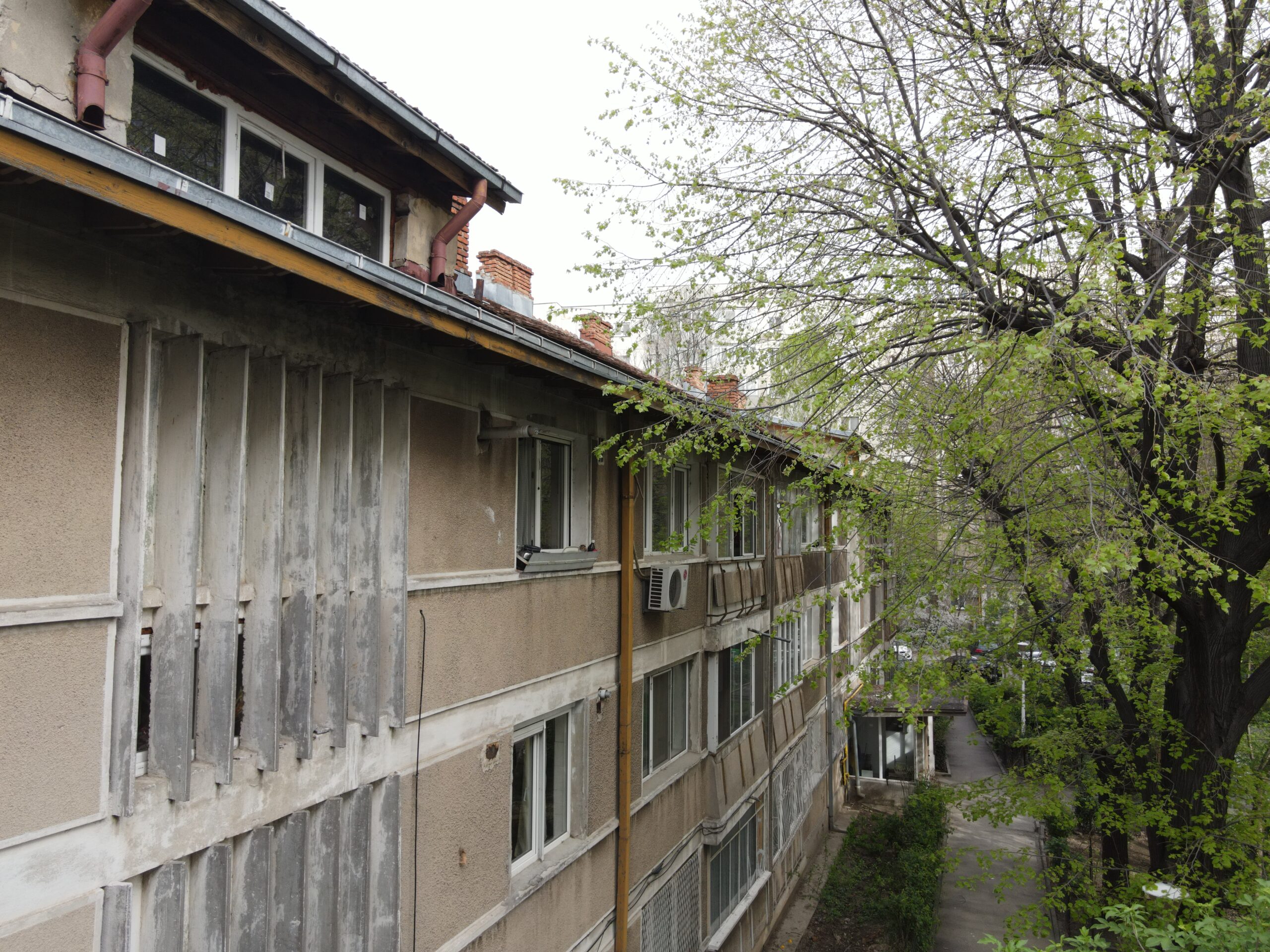
Bucharest Pilot Site – Seismic and Energy Retrofit for Masonry Housing
Building Overview
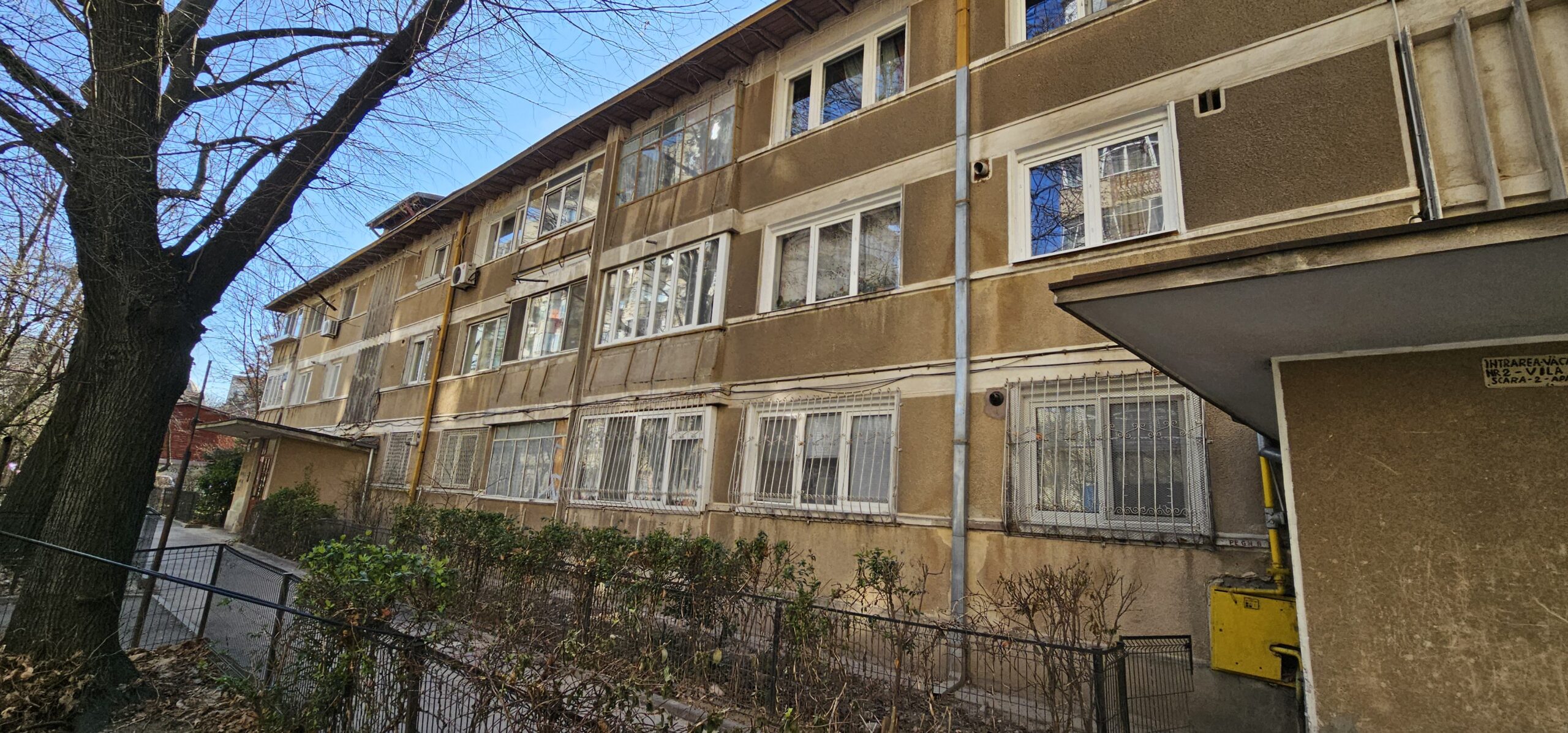
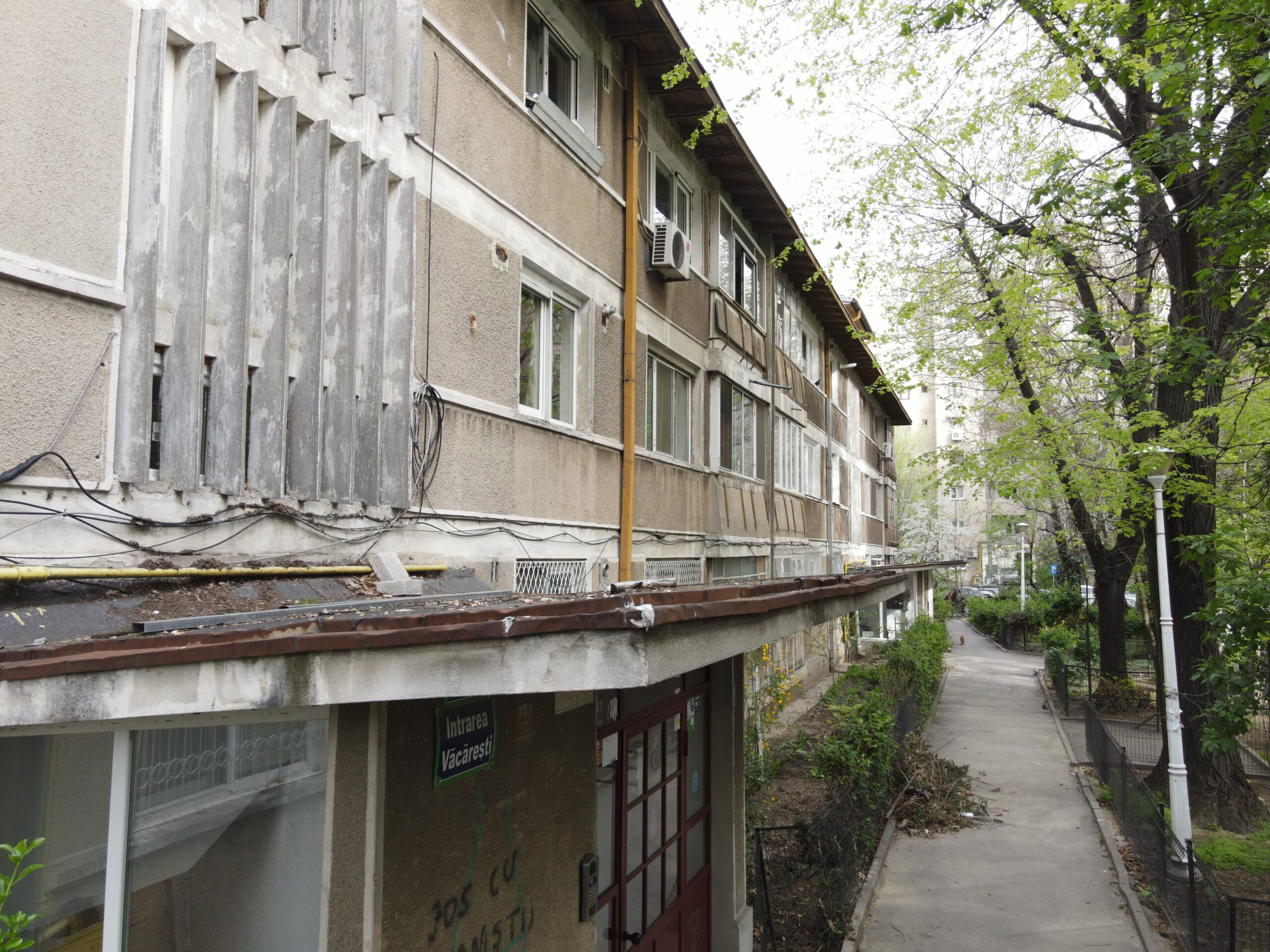
The Bucharest pilot site focuses on a load-bearing masonry residential building, demonstrating seismic retrofitting and energy-efficient upgrades using innovative bio-based solutions.
Structure: Brick masonry walls with reinforced concrete slabs
Footprint: 50m x 12m (600 sqm), total area 1,800 sqm (3 storeys)
Façade area: 1,116 sqm
Apartments: 4 per level (excluding attic)
Materials: Vertical hollow bricks (30cm) and solid bricks (25cm), reinforced concrete slabs (10cm thick)
Circulation: Reinforced concrete staircase
Interior finishes: Cement-lime plasters, PVC joinery, wood and tile flooring
Heating: Originally gas stoves, now individual CT apartments
The building requires seismic strengthening to achieve a lower seismic risk class (RS III), as well as urban renewal, continuous monitoring, and minimal resident disruption.
MULTICARE Intervention
The project will implement a low-carbon resilient exoskeleton to improve structural resilience, energy performance, and climate adaptability. Key features include:
> Engineered wood panel system with a multi-layer façade skin, connected with reversible, easy-to-disassemble joints.
> Phase-change materials (PCM) inner layers to enhance thermal insulation and energy efficiency.
> Vertical greenery systems and low-albedo materials to regulate surface temperatures and reduce heat absorption.
> Built-in renewable energy modules, including photovoltaic (PV) integrated cladding on the most sun-exposed façades.
> Structural and environmental sensors embedded in the façade for real-time monitoring and maintenance optimisation.
> Seismic monitoring system with strong-motion sensors installed at the base and top of the structure to track dynamic behaviour before and after intervention.
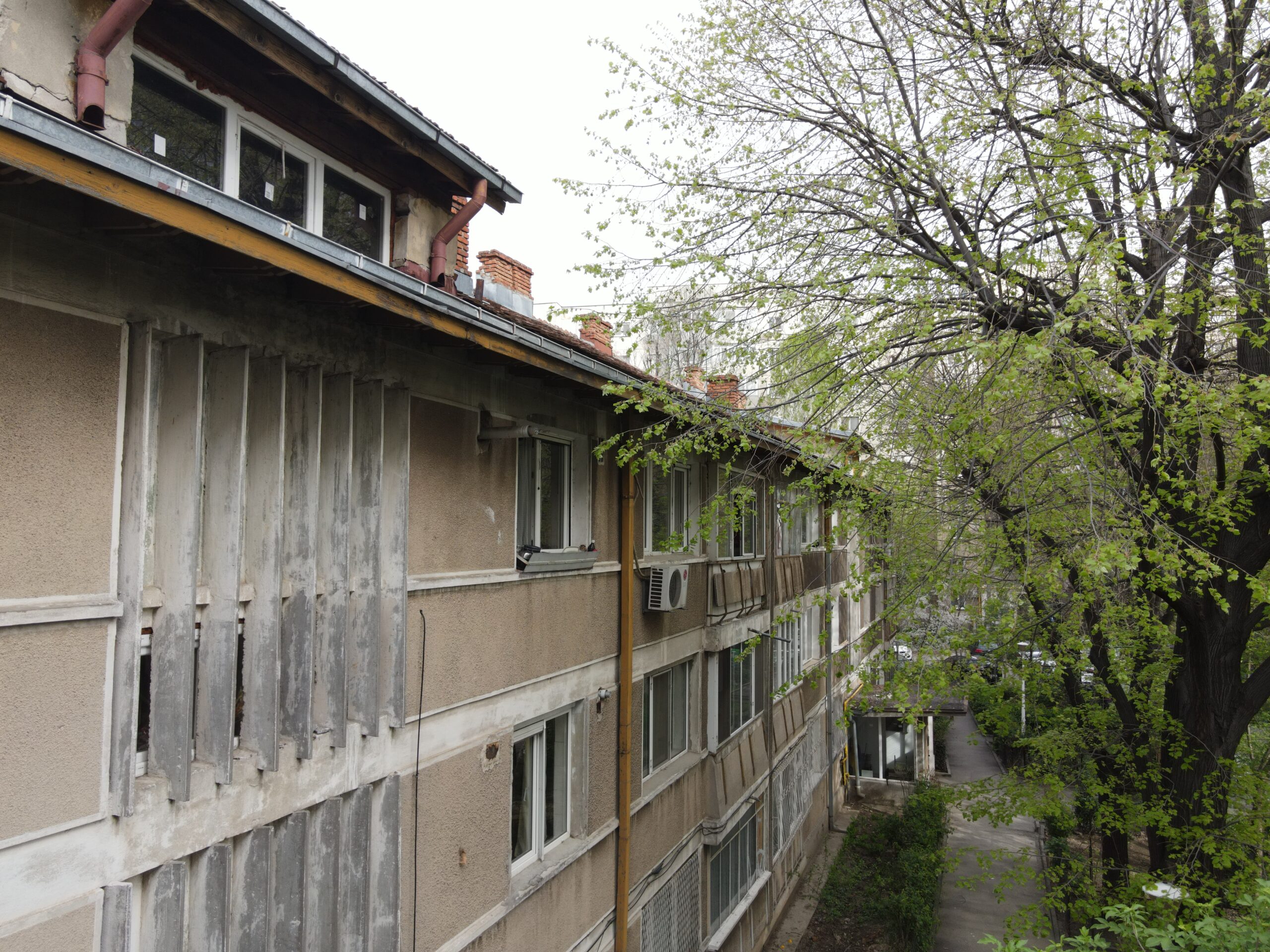
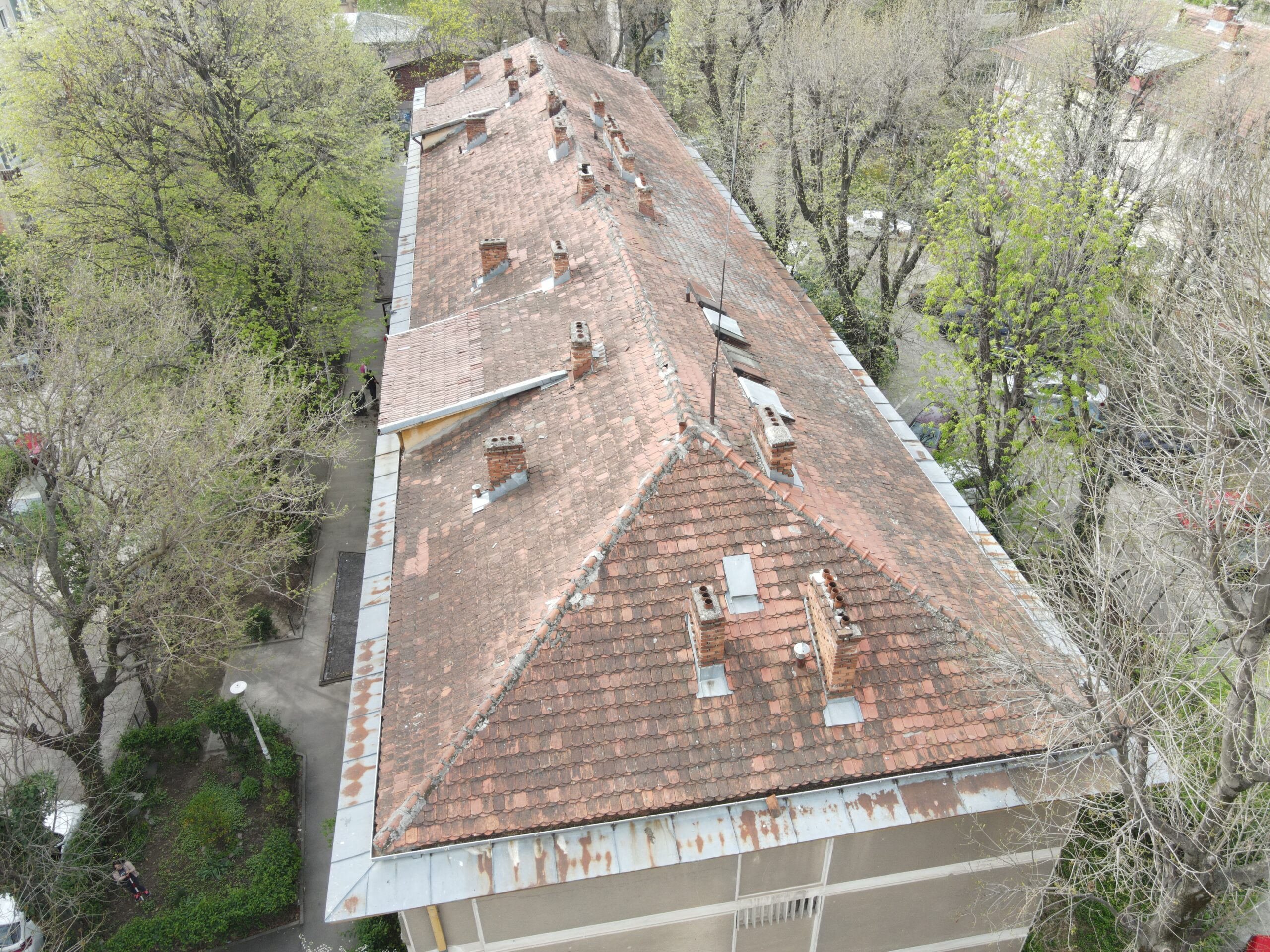
This intervention ensures residents remain in place during construction, eliminating the need for temporary relocation.
Replication Potential
This pilot represents a typical mid-rise masonry building, making it highly replicable at city, regional, and European levels:
> Many buildings in Romania share the same construction typology, making it a scalable retrofit model.
> Seismic risk is a major concern in Southern and Eastern Europe, increasing demand for cost-effective, low-carbon strengthening solutions.
> The bio-based, modular approach aligns with EU climate neutrality and sustainable construction policies.
> The use of PV-integrated cladding and reversible façade systems enhances energy resilience, supporting urban renewal initiatives.
This demonstration will provide data-driven insights into affordable, scalable solutions for seismic and climate resilience, contributing to sustainable housing strategies across Europe.
PILOT SITE NEWS